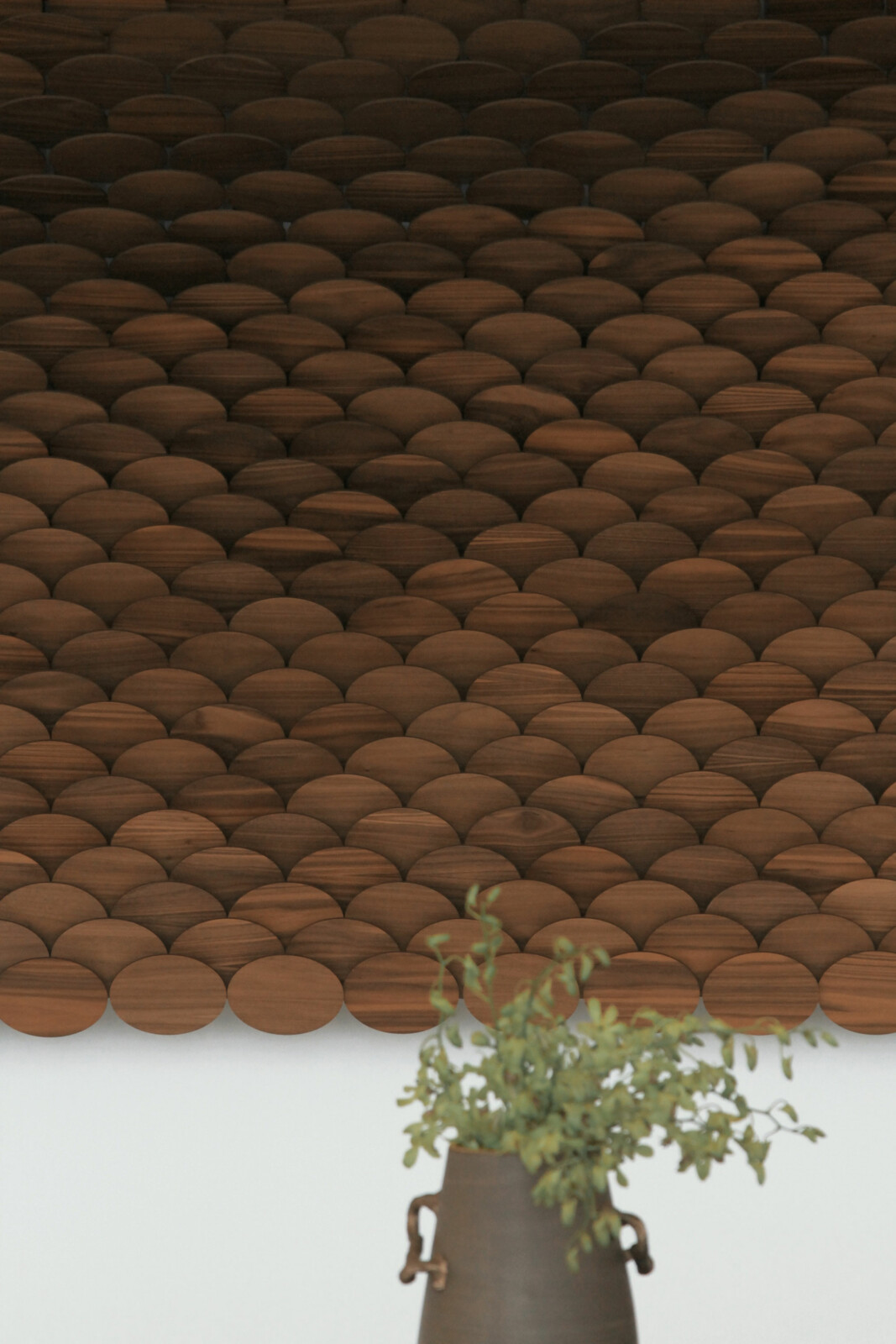
How Can Biophilic Design Shape Better Material Choices? Biophilic Insights From Surface Design Show 2026
06-02-2026At Surface Design Show 2026, the panel Designing With Life in Mind: A Biophilic Guide to Better Surface Material Choices offered a timely reminder that materials are never just visual or technical decisions – they are deeply human ones.
Moderated by Vanessa Champion, Founder and Editorial Director of the Journal of Biophilic Design, the conversation brought together a thoughtful mix of perspectives: Grant Gibson, Co-Founder of Material Matters; Nigel Oseland, Founder of Workplace Unlimited; and Nina Woodcroft, Founder of Nina+Co. Together, they explored how biophilic principles can meaningfully shape material choices across interiors, workplaces, and public environments.
One of the strongest recurring messages was deceptively simple: natural materials make us feel good. There is now a substantial body of research supporting biophilia’s impact on health and wellbeing. Hospital studies, in particular, have shown that access to nature, whether through views, daylight, or natural materials, can support faster recovery rates and reduced stress for patients. This idea set the tone for a discussion that moved beyond aesthetics and into measurable human outcomes.
The panel also emphasised creativity as a key benefit of working with natural materials. Being surrounded by nature, or materials that echo natural textures, patterns, and imperfections, has been shown to enhance cognitive performance and creative thinking. For designers, this reinforces the idea that biophilic design is not only beneficial for end users, but also for the creative process itself. Spaces that incorporate timber, stone, clay, cork, or plant-based surfaces can actively support focus, imagination, and emotional balance.
Nigel Oseland’s workplace-focused insights grounded the conversation in real-world application. He spoke about how sensory-rich environments, those that engage touch, sight, and even sound, can reduce fatigue and improve comfort in work settings.
Beyond what was discussed on stage, the wider research around natural materials adds further weight to the panel’s message. Studies have shown that exposure to natural textures and materials can lower cortisol levels, reduce blood pressure, and support nervous system regulation. Timber interiors, for example, have been linked to reduced stress responses, while natural light and mineral-based surfaces can help stabilise circadian rhythms, improving sleep quality and overall mood.
There is also growing evidence that natural materials promote a stronger sense of connection and belonging. Humans have an innate affinity for organic forms and patterns, often referred to as our evolutionary connection to nature. When these elements are present in interiors, people tend to report feeling more grounded, comfortable, and emotionally at ease. This sense of connection is particularly important in healthcare, education, and workplace environments, where emotional wellbeing directly affects outcomes.
The talk ultimately reinforced that biophilic design is not a trend, but a responsibility. Natural materials invite us to slow down, engage our senses, and design spaces that support life rather than overstimulate it.