Can Art Improve Our Physical Health?
15-09-2026“Our unique and original study provides compelling evidence that viewing art in a gallery is ‘good for you’ and helps to further our understanding of its fundamental benefits. In essence, art doesn’t just move us emotionally — it calms the body too.” Dr Tony Woods, King’s College London, the Institute of Psychiatry, Psychology & Neuroscience (IoPPN)
For centuries, we have understood art as something that enriches our lives emotionally, intellectually and culturally. But emerging research suggests its influence may run deeper than previously imagined. Could art have a measurable impact on our physical wellbeing too?
A recent study by researchers at King’s College London offers compelling evidence that the answer may be yes. Conducted by the Institute of Psychiatry, Psychology & Neuroscience (IoPPN), the research examined how people physically responded when viewing original artworks in a gallery setting compared to viewing reproductions of the same works elsewhere. The results point to a remarkable connection between art and human health.
Measuring the Body’s Response to Art
The study involved 50 participants who viewed works by artists including Manet, Van Gogh and Gauguin at The Courtauld Gallery in London. Researchers monitored physiological indicators including heart rate variability, skin temperature, stress hormones and inflammatory markers. A control group viewed reproductions of the same artworks in a non-gallery environment.
The findings were significant:
- Cortisol, the body’s primary stress hormone, decreased by an average of 22% among those viewing original artworks, compared with just 8% in the reproduction group.
- Key inflammatory markers associated with stress and chronic illness fell by approximately 30%.
- Participants demonstrated patterns of physiological engagement associated with both emotional stimulation and relaxation.
Researchers also observed simultaneous responses across the immune, endocrine and autonomic nervous systems, something they described as unprecedented in the study of art and wellbeing.
Why Original Art Matters
The study suggests that original artworks generate a response that reproductions cannot fully replicate. While both forms of viewing may offer some benefit, the experience of being in the presence of an original work appears to produce a stronger physiological effect.
This raises important questions about the role of materiality, craftsmanship and sensory experience. What is it about an authentic artwork that affects us so profoundly? Is it the presence of the artist’s hand, the scale and texture of the work, or the immersive environment in which it is encountered?
While science is only beginning to answer these questions, the findings reinforce a belief long held by artists and designers, that physical encounters with art matter.
Designing for Wellbeing
As workplaces, hospitality environments and public spaces increasingly prioritise wellbeing, art is often viewed as an aesthetic enhancement. Yet studies such as this indicate that its contribution may be far more fundamental.
Art has the potential not only to enrich a space visually, but also to influence how people experience that environment emotionally and physically. This aligns with a growing understanding that wellbeing is shaped by the quality of our surroundings as much as by their functionality.
For Giles Miller Studio, this research provides a fascinating scientific perspective on something often observed intuitively, that thoughtfully crafted artistic experiences can change how people feel. The emerging evidence suggests they may even change how our bodies respond.
As researchers continue to explore the relationship between art and health, one conclusion is becoming increasingly clear, art is not merely decoration. It is an active component of human experience, capable of engaging both mind and body in ways we are only beginning to understand.
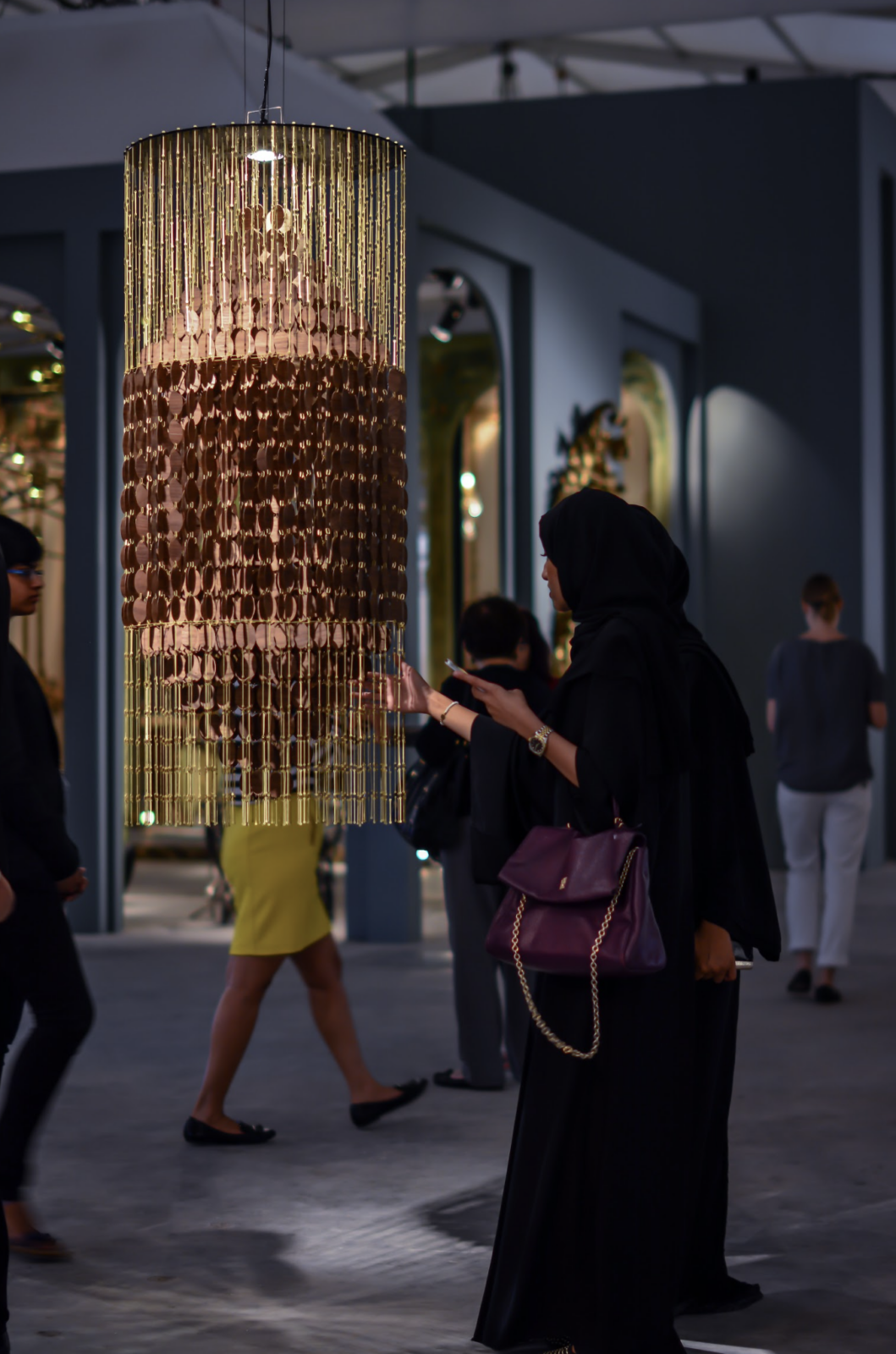
Image shown: Giles Miller Studio sculpture, Castor & Pollux.