A Sensory Evolution of Constructivist Art?
11-05-2026(by Giles Miller)
How has our studio’s work has been evolving in recent years?
I see the work as existing in the space between nature and construction, exploring humanity’s place within the natural world; not as something separate from it, but as one of its most self-aware and technologically capable expressions.
Each artwork begins with observations from nature: the movement of water, geological layering, atmospheric light, growth systems, erosion, organic repetition and natural structures. These references are then interpreted through highly engineered processes of design, fabrication and assembly. Thousands of individual components are composed into larger sculptural systems that shift with light, shadow, movement and perspective.
Although many works appear organic or fluid, they are underpinned by advanced methods of production including digital modelling, precision engineering, chemical etching and 3D printing. In this sense, the work deliberately occupies a tension between elemental sensory experience and technological sophistication.
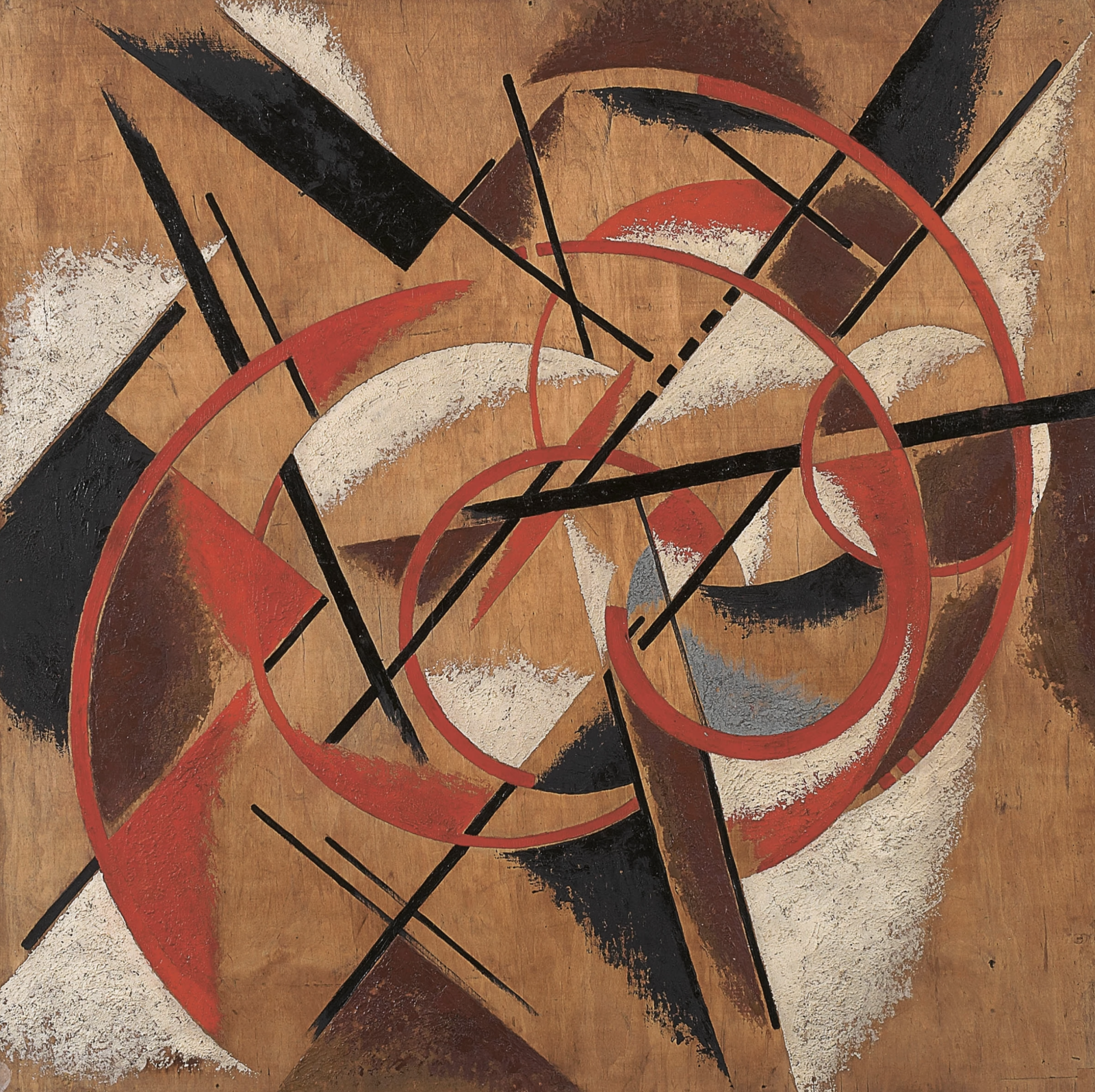
We increasingly see this as an evolution of Constructivist thinking, retaining ideas of modularity, spatial dynamism and constructed form, while moving away from the industrial machine aesthetic and toward something more sensory, atmospheric and biologically connected.
Water, earth, air and light act as recurring conceptual anchors throughout the work, alongside the use of natural materials, tactility, optical movement and mass composition. These qualities aim to create experiences that resonate emotionally and neurologically through deeply human responses to nature, pattern and environmental harmony.
At the same time, the works consciously reveal the extraordinary complexity of human systems of invention and making. Rather than presenting a political critique of humanity’s relationship with nature, the work instead suggests that our technologies and engineered systems are themselves extensions of nature – evidence of a species that has evolved the ability to observe, reinterpret and reconstruct the world around it with increasing awareness.
The artworks therefore become both sensory experiences and reflections on consciousness itself: physical manifestations of the extremity to which humans have evolved within their beautiful environment that is our natural world.